
Bringing a puppy home is exciting, emotional, and life-changing—but it’s also a responsibility that requires preparation well before pickup day. Many first-time dog owners focus on choosing the right puppy, yet overlook the importance of preparing their home, schedule, and mindset in advance.
This guide provides a clear, practical puppy preparation checklist designed specifically for first-time owners. By preparing ahead of time, you reduce stress, prevent common mistakes, and set the foundation for a confident, well-adjusted adult dog.
For help choosing a dog that fits your lifestyle before preparation begins, see:
👉 What Every Dog Owner Should Know Before Choosing a Breed
Why Preparation Matters Before a Puppy Comes Home
The first few weeks in a new environment shape a puppy’s emotional security, behavior patterns, and trust in humans. Puppies that enter chaotic or unprepared homes are more likely to experience anxiety, confusion, and behavioral issues.
Preparation helps ensure:
- A smooth transition from breeder or shelter to home
- Consistent routines from day one
- Safer environments for exploration
- Reduced overwhelm for both puppy and owner
Puppy ownership is not about reacting—it’s about planning.
1. Home Preparation Checklist
Before your puppy arrives, your home should be safe, structured, and predictable.
Puppy-Proof Your Space
- Secure loose cords and cables
- Remove toxic plants and chemicals
- Block access to stairs or unsafe rooms
- Store shoes, small objects, and valuables out of reach
Puppies explore with their mouths. Anything accessible will likely be tested.
Designate Puppy Zones
Create defined areas for:
- Sleeping
- Eating
- Play
- Quiet rest
Consistency in space helps puppies understand boundaries faster and feel more secure.
2. Essential Supplies Checklist
Having supplies ready before arrival prevents last-minute stress and allows immediate routine building.
Core Puppy Supplies
- Crate or puppy playpen
- Comfortable bed or mat
- Food and water bowls
- High-quality puppy food
- Collar or harness (adjustable)
- Lightweight leash
- ID tag (even indoors initially)
Enrichment & Comfort
- Safe chew toys
- Interactive puzzle toys
- Soft comfort toy
- Puppy-safe cleaning supplies
Avoid overwhelming your puppy with too many toys at once—rotate gradually.
3. Veterinary & Health Preparation
Health planning should begin before the puppy comes home.
Schedule These in Advance
- Initial veterinary visit (within first week)
- Vaccination schedule
- Parasite prevention discussion
- Microchipping (if not already done)
Health Records
Ensure you receive:
- Vaccination records
- Deworming history
- Feeding recommendations
- Breeder or shelter notes
Understanding early health needs aligns with long-term wellness planning covered in:
👉 Common Health Issues by Dog Size Category
4. Nutrition Preparation
Puppy nutrition impacts growth, immunity, and behavior.
Before Arrival:
- Confirm current food brand and feeding schedule
- Purchase enough food for gradual transitions
- Avoid sudden diet changes in the first weeks
Feeding Setup
- Feed in a quiet area
- Use consistent meal times
- Measure portions accurately
Nutrition basics are explored in depth here:
👉 Dog Nutrition Basics: What Owners Often Get Wrong
5. Time & Schedule Planning
Puppies require time, consistency, and patience—especially in the first month.
Consider Your Daily Schedule
- Who will handle daytime breaks?
- How often can you supervise?
- Who manages nighttime routines?
Young puppies may need:
- Bathroom breaks every 2–3 hours
- Short training sessions
- Frequent rest periods
If schedules are inconsistent, preparation becomes even more critical.
6. Training Foundations to Prepare For
Training begins the moment a puppy enters your home.
Foundational Expectations
- Crate comfort
- Name recognition
- Calm handling
- Routine building
- Gentle redirection
You do not need advanced training immediately—but structure matters.
A full breakdown of early training priorities is covered in:
👉 Training Foundations Every Dog Should Learn
7. Socialization Planning
Socialization is not about exposure alone—it’s about positive, controlled experiences.
Prepare for:
- Gentle handling by trusted people
- Exposure to household sounds
- Short, positive outings (when safe)
- Gradual environmental introductions
Early socialization directly influences adult behavior, explained in:
👉 How Early Socialization Shapes Adult Behavior
8. Mental Preparation for Owners
Many first-time owners underestimate the emotional adjustment required.
Expect:
- Sleep disruption
- Accidents during house training
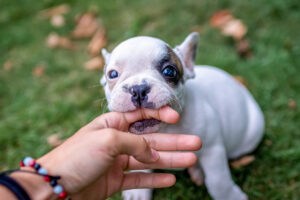
- Chewing and mouthing
- Testing boundaries
These behaviors are normal developmental phases, not failures.
Understanding temperament differences across dogs helps manage expectations:
👉 How Dog Temperament Varies Across Breeds
9. Emergency Readiness
Preparation includes planning for the unexpected.
Emergency Checklist
- Locate nearest emergency vet
- Save vet contact information
- Keep first-aid basics accessible
- Identify pet-safe transportation options
Prepared owners respond calmly when it matters most.
10. Final Pre-Arrival Checklist Summary
Before bringing your puppy home, confirm you have:
- A puppy-safe environment
- Essential supplies ready
- Veterinary care scheduled
- Feeding plan established
- Time availability assessed
- Training and socialization plan in place
Preparation transforms first-time ownership from overwhelming to rewarding.
Final Thoughts
Puppy ownership is not about perfection—it’s about preparation, consistency, and patience. First-time owners who plan ahead create calmer transitions, stronger bonds, and healthier long-term outcomes for their dogs.
Preparation is an act of responsibility—and the foundation of a successful lifelong partnership.
For guidance on choosing a dog that fits your lifestyle before preparation begins, revisit:
👉 Choosing the Right Dog for Your Lifestyle
Dog Owner Education Hub
Explore our foundational guides designed to help dog owners make informed, responsible decisions:
• What Every Dog Owner Should Know Before Choosing a Breed
• How Dog Temperament Varies Across Breeds
• Understanding Responsible Dog Breeding
• Dog Nutrition Basics: What Owners Often Get Wrong
Each guide builds on the next to support lifelong dog health, behavior, and compatibility.