Exercise is essential for physical health, mental balance, and emotional wellbeing in dogs. However, exercise needs are not universal. Size, structure, and breed type dramatically influence how much — and what kind — of activity a dog requires.
This guide explains exercise needs by size category and breed type, helping owners build routines that support long-term health.
For broader lifestyle matching, see:
👉 Choosing the Right Dog for Your Lifestyle
Why Size and Structure Matter
Exercise must support a dog’s anatomy — not challenge it.
Key variables:
- Joint structure
- Muscle density
- Cardiovascular capacity
- Growth stage
- Recovery ability
Over-exercise is just as harmful as under-exercise.
Small Dogs (Under ~25 lbs)
Small dogs often have high alertness and energy but delicate skeletal systems.
Best exercise types:
- Short, frequent walks
- Indoor play
- Mental stimulation games
- Controlled agility (low impact)
Avoid:
- Long forced runs
- Jumping from heights
- Repetitive high-impact play
Mental enrichment is especially important for small breeds.
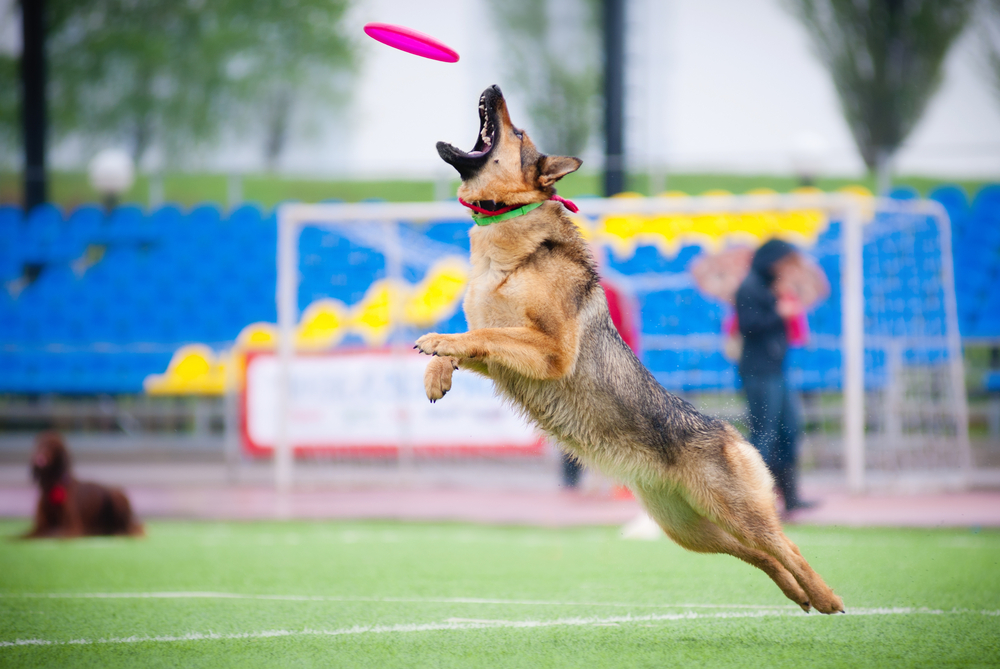
Medium Dogs (25–55 lbs)
Medium dogs are often the most versatile.
They benefit from:
- Daily structured walks
- Moderate jogging
- Interactive play
- Training-based exercise
They adapt well to active households but still require consistency.
Temperament influences activity tolerance, explained further in:
👉 How Dog Temperament Varies Across Breeds
Large Dogs (55–90 lbs)
Large dogs need strength maintenance without joint strain.
Recommended activities:
- Steady-paced walks
- Swimming
- Controlled pulling or resistance work
- Low-impact endurance exercise
Avoid:
- Excessive jumping
- Long-distance running at young ages
- Hard surfaces during growth
Giant and Heavy-Structured Dogs
Muscular, heavy-boned dogs require precision exercise.
Focus on:
- Short structured walks
- Muscle engagement, not speed
- Weight management
- Joint-supportive movement
Exercise errors in this category often lead to orthopedic issues.
Health considerations related to structure are discussed in:
👉 Signs of a Well-Bred Dog
Puppies and Adolescents
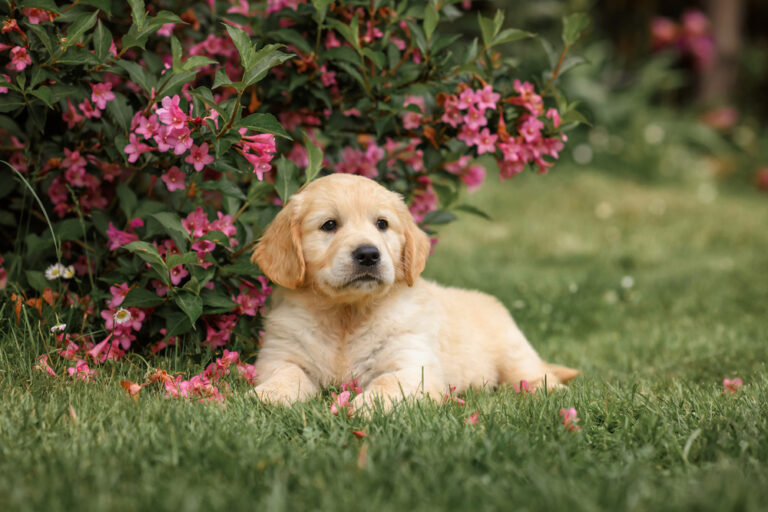
Puppy exercise should prioritize:
- Exploration
- Coordination
- Confidence
- Social exposure
Avoid forced exercise. Growth plates must mature naturally.
Preparation guidance is covered in:
👉 Puppy Preparation Checklist for First-Time Owners
Mental Exercise Matters Too
Physical activity alone is not enough.
Mental stimulation includes:
- Training
- Puzzle feeding
- Environmental novelty
- Controlled social exposure
Mental fatigue often creates calmer behavior than physical exhaustion.
Final Thoughts
Exercise should support a dog’s structure, temperament, and life stage — not follow a generic standard.
The right routine builds confidence, prevents injury, and supports lifelong health.
Continue Learning About Healthy Dog Development
Exercise supports a dog’s physical structure, behavior, and long-term wellbeing. Deepen your understanding with these related guides:
→ Choosing the Right Dog for Your Lifestyle
→ What Every Dog Owner Should Know Before Choosing a Breed
→ How Dog Temperament Varies Across Breeds
→ Puppy Preparation Checklist for First-Time Owners
→ Signs of a Well-Bred Dog
Balanced exercise builds confidence, prevents injury, and supports lifelong health.