Published by The Complete Dog Guide
Socialization is one of the most important — and most misunderstood — aspects of raising a puppy. The experiences a puppy has during its early developmental window can permanently influence confidence, stability, and behavior as an adult dog.
Understanding when socialization happens, how it works neurologically, and what responsible exposure looks like can dramatically reduce the risk of fear-based behaviors later in life.
If you’re raising a puppy, this is one stage you cannot afford to ignore.
Puppy Development Stages: The Ultimate Week-by-Week Guide
🧠 What Is the Puppy Socialization Period?
The puppy socialization period typically occurs between 3 and 16 weeks of age, with the most sensitive window between 8 and 12 weeks.
During this time, a puppy’s brain is highly receptive to new experiences. The nervous system is rapidly developing, and the puppy is forming long-term associations about:
• People
• Other dogs
• Sounds
• Surfaces
• Environments
• Novel stimuli
Positive experiences during this period build confidence. Negative or overwhelming experiences can create long-lasting fear responses.
🍼 Early Socialization (3–8 Weeks)
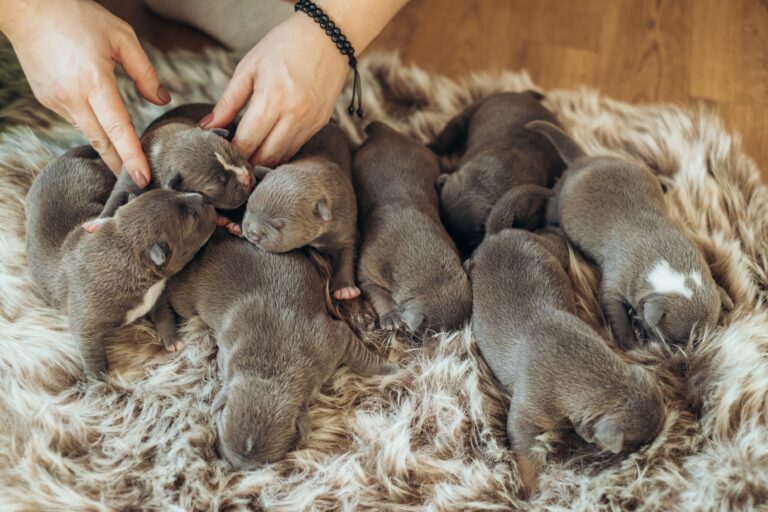
This stage usually occurs while the puppy is still with its breeder.
What Happens During This Phase:
• Littermate play teaches bite inhibition
• Puppies learn canine body language
• Early confidence patterns begin forming
• Environmental sensitivity increases
Responsible breeders gently introduce:
• Mild household sounds
• Short handling sessions
• Different surfaces
• Light human interaction
Removing puppies too early from their litter can disrupt this critical learning phase.
🏡 Primary Socialization Window (8–12 Weeks)
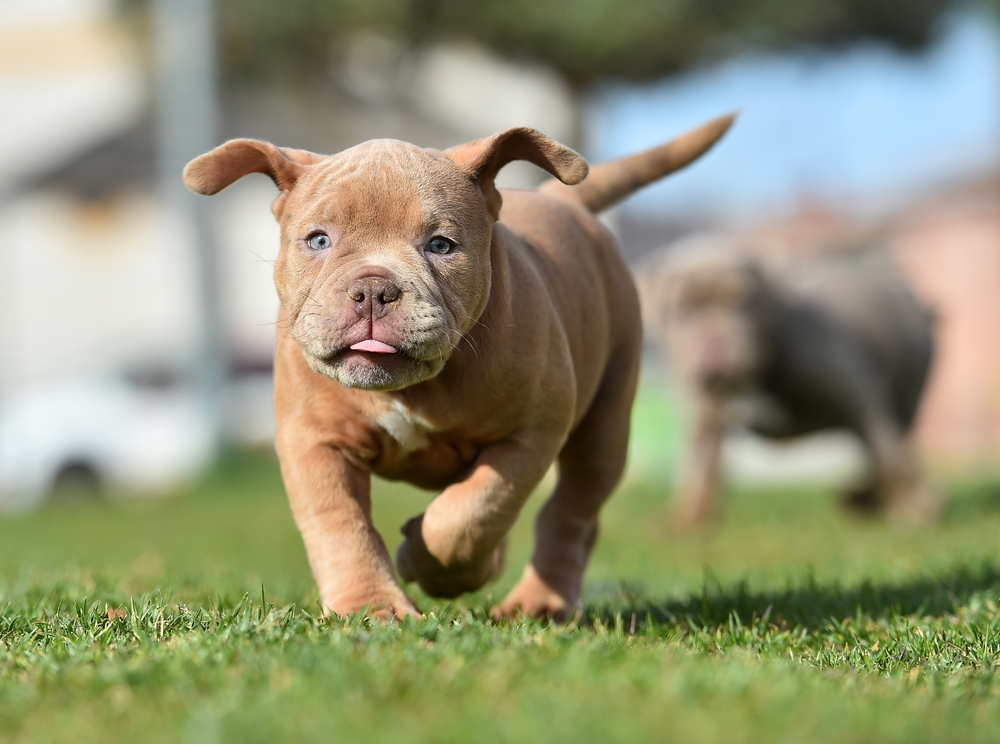
This is when most puppies go to their new homes.
It is also the most influential developmental period for long-term temperament.
During this window, puppies are:
• Curious
• Open to new experiences
• Forming permanent impressions
• Highly impressionable
What they experience now becomes their “normal.”
What Proper Socialization Looks Like
Socialization does not mean overwhelming your puppy with chaos.
It means controlled, positive exposure to the world.
✔ Safe Socialization Includes:
• Meeting calm adults and children
• Walking on grass, concrete, gravel, wood floors
• Hearing vacuum cleaners at low volume
• Riding in the car
• Seeing bicycles, strollers, umbrellas
• Visiting safe environments
Each experience should be:
• Short
• Positive
• Calm
• Reward-based
⚠️ The First Fear Period (8–11 Weeks)
The primary socialization window overlaps with a short neurological fear stage.
During this time, puppies may:
• Startle more easily
• Show hesitation
• Temporarily avoid new objects
This is normal development.
What matters most is how the owner responds.
Avoid:
• Forcing interaction
• Flooding the puppy with intense stimuli
• Punishing fearful reactions
Instead:
• Stay calm
• Offer reassurance
• Allow gradual exposure
Understanding Puppy Fear Periods
📅 Socialization Checklist by Age
Here’s a simplified guideline:
8–10 Weeks
• Gentle new people introductions
• Quiet neighborhood walks (carried if needed)
• Basic home exposure
10–12 Weeks
• Short leash experiences
• Exposure to new environments
• Positive puppy classes
12–16 Weeks
• Controlled dog interactions
• Increased environmental variety
• Structured training sessions
After 16 weeks, socialization should continue — but the sensitivity window begins closing.
🚫 Common Socialization Mistakes
Many well-meaning owners accidentally create behavioral issues.
❌ Overexposure
Taking puppies to crowded festivals or busy dog parks too early.
❌ Flooding
Forcing a fearful puppy to “face its fears.”
❌ Inconsistent Exposure
Skipping socialization entirely due to vaccine concerns.
❌ Negative Experiences
Allowing rough dog interactions during critical windows.
Quality matters more than quantity.
🧬 Why Socialization Matters for Life
Proper socialization reduces the risk of:
• Fear aggression
• Resource guarding
• Noise phobias
• Separation anxiety
• Stranger reactivity
Dogs raised with structured early exposure are more adaptable and emotionally stable as adults.
🐕 Breed Differences in Socialization
While the developmental timeline is universal, different breeds may:
• Show varying confidence baselines
• Mature at different speeds
• Have stronger guardian instincts
• Be more environmentally sensitive
Understanding breed tendencies helps tailor socialization appropriately.
American Bully Temperament & Personality Guide
🏆 Signs of Healthy Social Development
A well-socialized puppy typically shows:
• Curiosity without panic
• Quick recovery from mild startle
• Willingness to approach people
• Balanced play behavior
• Adaptability to new environments
Fear may appear briefly — but recovery is quick.
🧠 When Socialization Continues
While the primary window closes around 16 weeks, socialization should continue throughout adolescence.
Teenage dogs often experience a second fear period between 6–14 months.
Consistent exposure during this time prevents regression.
The Adolescent Dog Stage: What to Expect
📖 Socialization vs Training
Socialization and training are not the same.
Socialization builds:
• Emotional stability
• Environmental confidence
• Social balance
Training builds:
• Obedience
• Structure
• Communication
Both are necessary — but they serve different developmental roles.
🔍 Frequently Asked Questions
How many new experiences should a puppy have each week?
Aim for 5–10 small, positive exposures weekly.
Can puppies socialize before full vaccinations?
Yes — in controlled, safe environments. Avoid high-risk dog parks.
What if I missed the early window?
Progress may be slower, but positive reinforcement and gradual exposure can still build confidence.
Is puppy kindergarten helpful?
Yes, when supervised and structured properly.
🧭 Final Thoughts: Socialization Is an Investment
The first 16 weeks of a puppy’s life have long-lasting impact.
Intentional exposure during this time can mean the difference between:
• A confident family companion
• Or a reactive, anxious adult dog
Socialization is not about doing more.
It’s about doing it correctly.
For a complete overview of how socialization fits into overall puppy growth, read:
👉 Puppy Development Stages: The Ultimate Week-by-Week Guide
🔗 Related Articles on The Complete Dog Guide
• Puppy Development Stages (pillar)
• Understanding Puppy Fear Periods
• Puppy Teething Timeline
• The Adolescent Dog Stage
• Basic Obedience Foundations