
Training a puppy can feel overwhelming for new dog owners, especially during the first year of development. Puppies grow quickly, experience major behavioral changes, and learn best when training is introduced gradually and consistently.
The key to successful puppy training is understanding:
- what to teach,
- when to teach it,
- and how development changes over time.
This complete puppy training timeline breaks down what owners should focus on month by month, helping create a well-socialized, confident, and well-behaved adult dog.
Quick Navigation
- 8–10 Weeks Old
- 10–12 Weeks Old
- 3–4 Months Old
- 4–6 Months Old
- 6–9 Months Old
- 9–12 Months Old
- Essential Puppy Training Tools
- Socialization Matters
- Common Puppy Training Mistakes
- Final Thoughts
Why Early Puppy Training Matters
Puppies begin learning from their environment immediately.
Early training helps:
- establish routines,
- improve communication,
- build confidence,
- reduce behavioral problems,
- and encourage healthy social development.
Without structure and consistency, puppies may develop:
- anxiety,
- destructive behaviors,
- poor social skills,
- or training setbacks.
Positive reinforcement and patience are extremely important throughout every stage.
8–10 Weeks Old
This is usually when puppies first arrive in their new homes.
Focus Areas:
- Name recognition
- Potty training
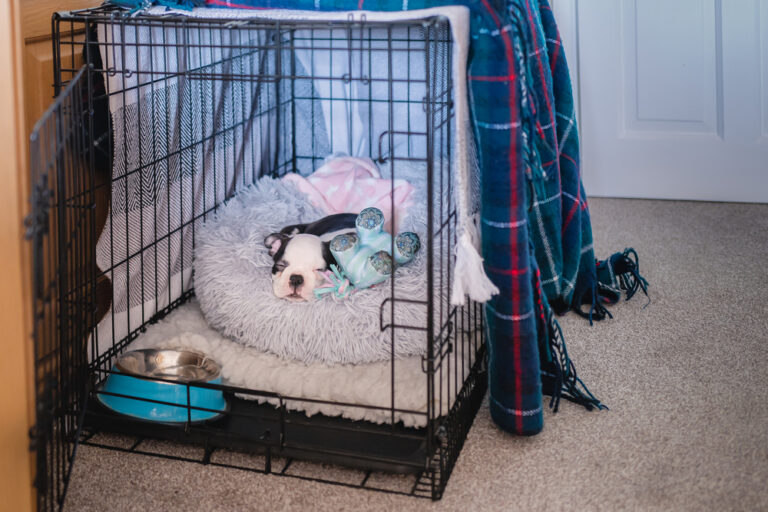
- Crate training
- Building trust
- Gentle handling
- Basic routines
Training sessions should remain:
- short,
- positive,
- and consistent.
At this stage, puppies are still adjusting to:
- new sounds,
- environments,
- routines,
- and family members.
➡ Related Reading:
Preparing Your Home for a New Puppy
(Link Direction: TCDG → TCDG)
10–12 Weeks Old
Puppies become more curious and confident during this stage.
Focus Areas:
- Basic commands
- Leash introduction
- Continued potty training
- Socialization
- Gentle exposure to environments
Helpful commands include:
- sit,
- come,
- leave it,
- and down.
Owners should begin exposing puppies to:
- people,
- sounds,
- surfaces,
- and controlled experiences.
3–4 Months Old
This stage often brings:
- increased energy,
- teething,
- chewing,
- and stronger curiosity.
Focus Areas:
- Leash walking
- Bite inhibition
- Structured play
- Chewing redirection
- Social confidence
Puppies may test boundaries more during this phase.
Consistency becomes extremely important.
Recommended Product:
KONG Puppy Toy
A trusted enrichment toy designed for teething and mental stimulation.
👉 Shop Puppy Teething Toys on Amazon
(Link Direction: TCDG → ABDS/Amazon Affiliate)
4–6 Months Old
This is often one of the most important developmental stages.
Puppies begin gaining:
- confidence,
- physical strength,
- and independence.
Focus Areas:
- Loose leash walking
- Reliable recall
- Impulse control
- Calm behavior indoors
- Continued socialization
Many puppies also begin:
- heavier teething,
- jumping behaviors,
- and testing consistency.
Short, frequent training sessions work best.
6–9 Months Old
This period is commonly described as:
puppy adolescence.
Owners may notice:
- selective listening,
- stubbornness,
- increased energy,
- or distracted behavior.
Focus Areas:
- Reinforcing obedience
- Consistency
- Advanced socialization
- Exercise routines
- Mental stimulation
This stage often requires:
- patience,
- repetition,
- and calm leadership.
➡ Related Reading:
How Much Exercise Does Your Dog Really Need?
(Link Direction: TCDG → TCDG)
9–12 Months Old
Many puppies begin transitioning into young adulthood during this phase.
Focus Areas:
- Advanced obedience
- Public behavior
- Routine reinforcement
- Continued confidence building
- Structured exercise
Some larger breeds may continue maturing well beyond the first year.
Training should continue consistently even after puppyhood.
Essential Puppy Training Tools
Helpful puppy training products may include:
- crates,
- treat pouches,
- training treats,
- long leads,
- puppy toys,
- and interactive enrichment tools.
Recommended Product:
MidWest Folding Dog Crate
A durable crate ideal for puppy routines and training structure.
👉 View Puppy Crates on Amazon
(Link Direction: TCDG → ABDS/Amazon Affiliate)
Recommended Product:
PetSafe Treat Pouch
A convenient training pouch for positive reinforcement sessions.
👉 Shop Treat Pouches on Amazon
(Link Direction: TCDG → ABDS/Amazon Affiliate)
Socialization Matters
Socialization is one of the most important parts of puppy development.
Proper socialization helps puppies become:
- confident,
- calm,
- adaptable,
- and well-balanced.
Positive exposure should include:
- people,
- sounds,
- surfaces,
- environments,
- and safe dog interactions.
Poor socialization may contribute to:
- fear,
- anxiety,
- or behavioral issues later.
Different Breeds Develop Differently
Some breeds mature:
- faster,
- slower,
- more independently,
- or with different energy levels.
Breed-specific puppy guides can help owners understand unique developmental expectations.
➡ Breed-Specific Puppy Guides:
- Golden Retriever Puppy Checklist
(Link Direction: TCDG → TGRB) - Labrador Retriever Puppy Checklist
(Link Direction: TCDG → TLRB) - Questions to Ask Before Buying a Micro Bully
(Link Direction: TCDG → ABB)
➡ Looking for well-bred American Bullies and Micro Bullies?
Visit Capcity Bullys
(Link Direction: TCDG → CB)
Common Puppy Training Mistakes
Common training mistakes include:
- inconsistency,
- punishment-based training,
- unrealistic expectations,
- lack of patience,
- and insufficient socialization.
Puppies learn best through:
- repetition,
- structure,
- positive reinforcement,
- and calm guidance.
Progress takes time.
Final Thoughts
Every puppy develops differently, but having a structured training timeline helps owners understand what to focus on during each stage of development.
From potty training and crate routines to obedience and socialization, consistent training during the first year helps build confident, well-adjusted adult dogs.
Patience, structure, and positive reinforcement remain the foundation of successful puppy training.
With preparation and consistency, puppy training becomes far more manageable and rewarding over time.
Continue Reading at The Complete Dog Guide
- Preparing Your Home for a New Puppy
(Link Direction: TCDG → TCDG) - How Much Exercise Does Your Dog Really Need?
(Link Direction: TCDG → TCDG) - Traveling With Your Dog: Complete Beginner Guide
(Link Direction: TCDG → MDL) - Best Dog Beds for Support and Comfort
(Link Direction: TCDG → ABDS) - Best Products for Apartment Dogs
(Link Direction: TCDG → ABDS)