
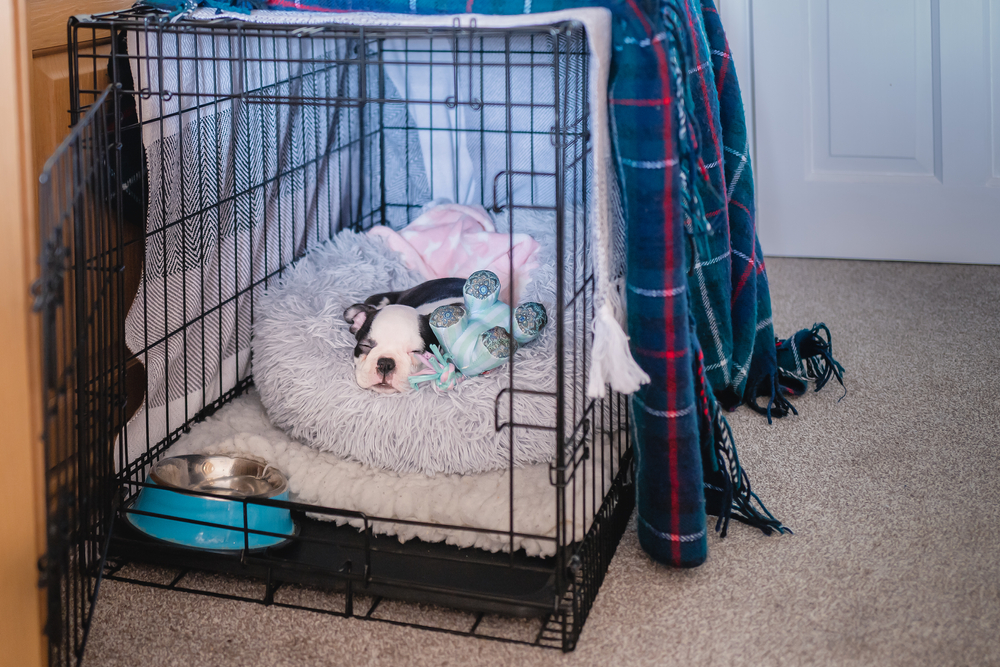
Bringing home a new puppy is exciting, but proper preparation can make a major difference in helping your puppy adjust successfully during those important early weeks. Puppies are naturally curious, energetic, and constantly exploring their environment, which means preparation is essential for both safety and long-term development.
From puppy-proofing your home and creating routines to choosing the right supplies and setting up safe resting areas, preparing ahead of time helps reduce stress for both owners and puppies.
This complete guide covers everything new dog owners should know about preparing their home for a new puppy.
Why Preparation Matters
Puppies are constantly learning from their environment during early development. A well-prepared home helps:
- reduce stress,
- improve safety,
- establish routines,
- support training,
- and encourage healthy adjustment.
Without preparation, many owners quickly become overwhelmed by:
- accidents,
- chewing,
- sleep disruptions,
- hyperactivity,
- and inconsistent routines.
Starting with structure and preparation creates a much smoother transition.
Puppy-Proofing Your Home
Puppies explore heavily with their mouths, making puppy-proofing one of the most important early steps.
Common Puppy-Proofing Tasks
- Secure electrical cords
- Remove choking hazards
- Store toxic foods and chemicals safely
- Block unsafe stairways or rooms
- Secure trash cans
- Remove small objects from floors
- Protect furniture and valuables
Puppies are naturally curious and often investigate anything within reach.
Creating a Safe Puppy Space
Creating a dedicated puppy area helps establish:
- security,
- routine,
- calmness,
- and structure.
Helpful items for a puppy area may include:
- crate,
- bed,
- water bowl,
- toys,
- and washable flooring or pads.
This area becomes a safe resting and training environment during the adjustment period.
Essential Puppy Supplies
Before bringing your puppy home, you should already have:
- food and water bowls,
- puppy food,
- crate,
- leash and collar,
- ID tags,
- puppy toys,
- treats,
- grooming tools,
- cleaning supplies,
- and a comfortable bed.
Preparation ahead of time helps avoid unnecessary stress once your puppy arrives.
Choosing the Right Crate
Crate training helps with:
- potty training,
- routines,
- sleep schedules,
- and creating a safe space.
The ideal crate should allow your puppy to:
- stand comfortably,
- turn around,
- and lie down naturally.
Divider panels work especially well for growing puppies.
Recommended Product:
MidWest Folding Metal Dog Crate
A popular crate option for puppy training and growing dogs.
Food & Feeding Setup
Nutrition plays a major role in healthy puppy development.
Puppies benefit from:
- consistent feeding schedules,
- high-quality puppy food,
- proper hydration,
- and controlled portions.
Helpful feeding products include:
- slow feeder bowls,
- stainless steel bowls,
- and food storage containers.
Recommended Product:
Outward Hound Fun Feeder Bowl
Helps encourage slower eating and better digestion.
👉 Shop Slow Feeder Bowls on Amazon
Sleep & Comfort Areas
Puppies need significant amounts of sleep during development.
A quiet sleeping area helps support:
- growth,
- routine,
- stress reduction,
- and adjustment.
Comfortable puppy beds should ideally include:
- washable covers,
- supportive padding,
- and durable materials.
Recommended Product:
Bedsure Orthopedic Dog Bed
A supportive bed ideal for growing puppies and indoor comfort.
👉 View Orthopedic Puppy Beds on Amazon
➡ Related Reading:
Best Dog Beds for Support and Comfort
Preparing for Potty Training
Potty training consistency is extremely important during the first few months.
Helpful strategies include:
- frequent bathroom breaks,
- reward-based reinforcement,
- predictable schedules,
- and supervision indoors.
Many owners also use:
- puppy pads,
- indoor potty systems,
- or designated outdoor potty areas.
Managing Puppy Chewing & Teething
Chewing is completely normal during puppy development.
Puppies chew because of:
- teething discomfort,
- curiosity,
- boredom,
- and exploration.
Providing safe chew toys helps redirect destructive behavior.
Recommended Product:
KONG Puppy Toy
A trusted enrichment toy designed for teething puppies.
👉 Shop Puppy Teething Toys on Amazon
Exercise & Mental Stimulation
Puppies need both physical and mental stimulation for healthy development.
Helpful activities include:
- short walks,
- supervised play,
- puzzle toys,
- training sessions,
- and socialization outings.
Without proper stimulation, puppies may develop:
- boredom,
- destructive behavior,
- excessive chewing,
- or hyperactivity.
➡ Related Reading:
Traveling With Your Dog: Complete Beginner Guide
Preparing Children & Other Pets
Introducing a puppy to children and existing pets should happen gradually and calmly.
Helpful strategies include:
- supervised introductions,
- controlled interactions,
- positive reinforcement,
- and maintaining routines for current pets.
Teaching children proper puppy handling is also extremely important.
Veterinary Preparation
Before bringing your puppy home:
- choose a veterinarian,
- schedule wellness visits,
- discuss vaccinations,
- and ask about parasite prevention.
Owners should also discuss:
- feeding recommendations,
- growth expectations,
- and exercise limitations during development.
Keeping records organized early supports long-term health management.
First Week Expectations
The first week with a puppy often includes:
- adjustment stress,
- interrupted sleep,
- potty accidents,
- and increased supervision.
Patience and consistency are extremely important during this stage.
Most puppies gradually become more comfortable as routines develop.
Preparing for Different Breeds
Different breeds may require different:
- exercise levels,
- grooming routines,
- training styles,
- and enrichment needs.
➡ Breed-Specific Puppy Guides:
- Golden Retriever Puppy Checklist
- Labrador Retriever Puppy Checklist
- Questions to Ask Before Buying a Micro Bully
➡ Looking for well-bred American Bullies and Micro Bullies?
Visit Capcity Bullys
Final Thoughts
Preparing your home for a new puppy involves much more than simply buying supplies. Proper planning, puppy-proofing, routines, and structure all help create a safer and more positive transition for both puppies and owners.
From crates and beds to chew toys and feeding routines, the right preparation supports healthier development and smoother long-term training success.
With patience, consistency, and preparation, bringing home a new puppy can become one of the most rewarding experiences in dog ownership.