🧠 Why Crate Training Is Essential for Puppies
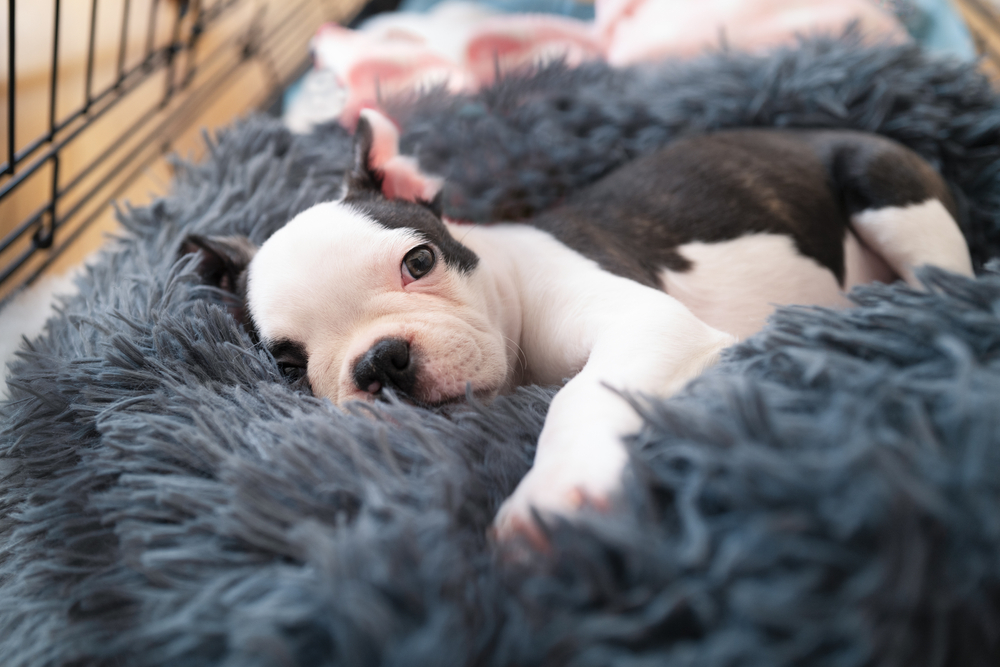
Crate training is one of the most important foundations you can build in your puppy’s first weeks at home. When done correctly, a crate becomes a safe, calming space—not a punishment.
It helps with:
- house training
- sleep routines
- preventing destructive behavior
- reducing overstimulation
- building independence
A properly crate-trained puppy is typically:
- calmer
- easier to manage
- more structured
- faster to house train
👉 Start with your full foundation here:
→ First 30 Days With a Puppy
🏡 Choosing the Right Crate (Critical First Step)
The crate should be:
- big enough to stand and turn around
- not large enough to encourage accidents
The best option for most owners is a wire crate with divider, allowing it to grow with your puppy.
🛒 Recommended Puppy Crates & Setup Essentials
Having the right setup dramatically improves success.
→ Shop puppy crate essentials (link to AllBreedsDogStore.com → crate essentials page)
Top Picks:
- MidWest Homes iCrate Starter Kit (Divider Included)
✔ Adjustable size as puppy grows
✔ Includes bed + divider
✔ Great airflow - Amazon Basics Foldable Metal Dog Crate
✔ Budget-friendly
✔ Durable and easy to clean
✔ Multiple size options - MidWest Life Stages Double Door Crate
✔ Two-door flexibility
✔ Strong build quality
✔ Ideal for long-term use
💡 Pro Tip: Always include a crate mat and a safe chew toy inside.
📍 Where to Place the Crate
Your puppy should feel included—but not overwhelmed.
Best locations:
- bedroom at night
- living room during the day
- quiet but social areas
Avoid:
- isolated rooms
- loud environments
- high-traffic chaos zones
🐾 How to Introduce the Crate (Step-by-Step)
The goal is simple:
👉 The crate = safe + positive
Step 1: Let Your Puppy Explore
Leave the door open and allow curiosity to take over.
Step 2: Add Comfort
Inside the crate:
- soft bed
- chew toy
- light blanket
Step 3: Use Treats & Rewards
Drop treats inside and reward entry.
Step 4: Feed Near or Inside the Crate
This builds strong positive association.
🛒 Recommended Comfort & First-Night Products
These help reduce anxiety and whining early on:
→ View first-night puppy comfort picks
Top Picks:
- SmartPetLove Snuggle Puppy (Heartbeat Toy)
✔ Reduces anxiety
✔ Mimics littermate comfort - Best Friends by Sheri Calming Bed
✔ Soft + secure feel
✔ Helps settle nervous puppies - MidWest QuietTime Crate Mat
✔ Washable
✔ Comfortable but durable
⏱️ Crate Training Schedule (First 2 Weeks)
Days 1–3:
- Door open
- Free exploration
- Short positive experiences
Days 3–5:
- Close door briefly (30–60 seconds)
- Stay nearby
Days 5–7:
- Increase to a few minutes
- Introduce short absences
Week 2:
- Begin structured crate time
- Use for naps and calm periods
👉 Combine with:
→ Puppy Schedule by Age
🌙 Crate Training at Night
Nighttime is the hardest part for most owners.
Your puppy may:
- cry
- whine
- wake frequently
This is normal.
How to Handle It:
- place crate near your bed
- take puppy out before sleep
- keep nighttime calm and quiet
- avoid play during potty breaks
🛒 Nighttime Success Tools
→ Shop puppy sleep essentials (link to AllBreedsDogStore.com → sleep page)
Recommended:
- heartbeat comfort toy
- soft crate bedding
- safe chew toy for settling
🧠 How Long Can a Puppy Stay in a Crate?
General guideline:
- 8–10 weeks → ~1 hour
- 10–12 weeks → ~2 hours
- 3–6 months → ~3–4 hours
Longer at night (with sleep)
🚽 Crate Training + Potty Training
Crate training accelerates house training because puppies avoid soiling their sleeping space.
Take your puppy out:
- after waking
- after eating
- after play
- immediately after crate time
🛒 Potty Training Essentials
→ Shop potty training supplies
Top Picks:
🛑 Common Crate Training Mistakes
Avoid these:
- using crate as punishment
- leaving puppy in too long
- rushing the process
- inconsistent routine
- letting puppy out while panicking
🧠 Behavior Benefits of Crate Training
Crate training reduces:
- biting
- hyperactivity
- destructive chewing
Because it enforces rest.
👉 Pair with:
→ How to Stop Puppy Biting Fast
🧸 Best Toys for Crate Training Success
Toys help puppies:
- relax
- stay occupied
- reduce anxiety
🛒 Recommended Crate Toys
Top Picks:
💡 Freeze KONG toys for longer engagement.
🧠 Advanced Tips for Faster Success
- Keep sessions short and positive
- Be consistent across all family members
- Reward calm behavior
- Avoid overstimulation
👉 Full training system:
→ Positive Reinforcement Dog Training Guide
⏳ How Long Does Crate Training Take?
- Some puppies: a few days
- Most puppies: 1–2 weeks
- Full comfort: 3–4 weeks
Consistency determines speed.
🐾 Final Thoughts
Crate training is not about restriction—it’s about structure.
When done right, the crate becomes:
- a safe place
- a training tool
- a calming environment
- a foundation for lifelong behavior
Stay consistent, stay patient, and your puppy will learn quickly.